Is USDD Worth Holding for Its High Yield?

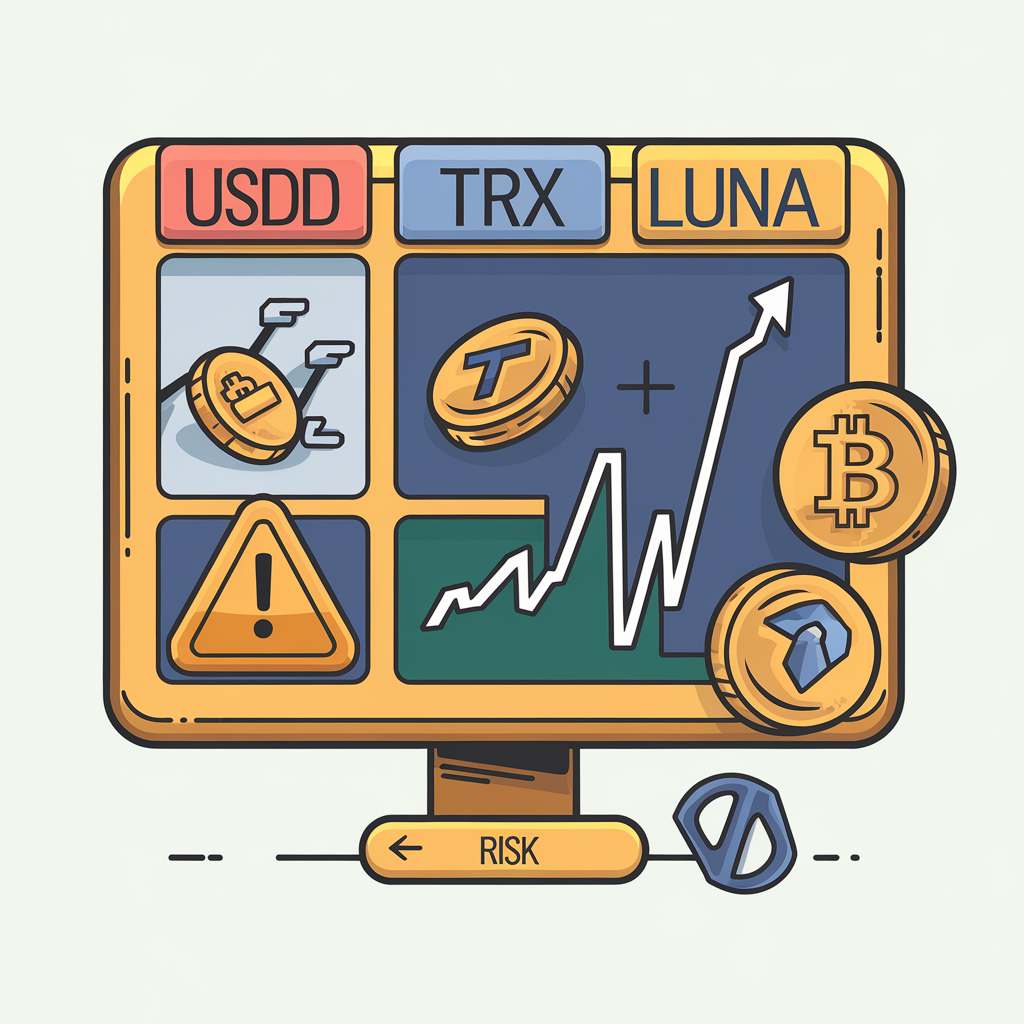
What Is USDD?
USDD (Decentralized USD) is a decentralized stablecoin introduced by the TRON ecosystem in May 2022. It aims to provide a transparent, decentralized crypto asset with a stable value pegged to $1. Unlike traditional stablecoins such as USDT and USDC, USDD uses smart contracts and algorithmic mechanisms to adjust its supply, supported by the TRX ecosystem to help maintain stability.
Recently, USDD staking yields have reached as high as 20%, attracting considerable investor attention. Below, we examine USDD's risks and operating mechanisms in detail.
Comparing USDD with Luna: A Risk Assessment
USDD often brings to mind the collapse of Luna (Terra) and its algorithmic stablecoin UST. Although both involve the concept of an algorithmic stablecoin, their operating mechanisms and risk control models differ significantly:
1. Minting Mechanism
- UST (Luna): UST's value depended entirely on burning Luna. Minting UST required burning an equivalent value of Luna, while redeeming UST minted an equivalent value of Luna. UST's stability depended heavily on Luna's market value.
- USDD: USDD minting relies on TRX and also receives support from the TRON DAO Reserve. The reserve holds assets such as BTC and USDT, providing additional price support. Even during significant TRX volatility, reserve assets can be used in market operations to stabilize USDD's price.
2. Liquidation Mechanism
- UST (Luna): When Luna's price plunged, UST lost its peg because it lacked sufficient value backing, leading to the collapse of the system. Without a way to liquidate or recover UST quickly, the price spiral was difficult to reverse.
- USDD: Transparent backing from a basket of reserve assets provides liquidation support. For example, in extreme market conditions, the TRON DAO Reserve can buy or burn USDD through open-market operations to maintain the peg. USDD also limits the excessive influence of a single token on its price, improving its resilience.
3. Decentralization and Transparency
- UST (Luna): Despite its decentralization claims, UST lacked a clear reserve mechanism. Governance was largely controlled by Terraform Labs, creating substantial centralization risk.
- USDD: USDD is supported by the TRON DAO Reserve, with greater transparency around reserve assets and operations. It also draws on TRON's extensive ecosystem, including decentralized finance (DeFi) applications and exchanges, further supporting market stability.
How TRX Volatility Affects USDD
Because TRX is USDD's core collateral asset, changes in the TRX price can indirectly affect USDD:
-
Positive effects:
- A rising TRX price increases USDD's collateralization ratio, strengthening its backing and market stability.
- Rapid development of the TRON ecosystem can also increase demand for USDD, for example through DeFi applications.
-
Negative effects:
- A sharp decline in TRX could create liquidation pressure for USDD. However, TRON DAO Reserve assets can reduce the systemic risk caused by TRX volatility.
- Increasing the collateralization ratio, currently well above 100%, and using reserve funds to stabilize the market greatly reduces USDD's depegging risk.
Is USDD's High Yield Worth It?
USDD's recent staking yield of up to 20% is attractive in the current market environment. The following considerations help assess the potential rewards and risks:
-
Where the yield comes from:
- USDD staking rewards mainly come from incentives within the TRON ecosystem. TRON aims to encourage ecosystem growth by attracting USDD stakers. These incentives can remain sustainable provided that the ecosystem continues to expand.
-
Potential risks:
- Market volatility: Although USDD has reserve backing, simultaneous sharp moves in TRX or other reserve assets could put pressure on its stability.
- Smart contract risk: USDD operates within the TRON ecosystem and depends on smart contract security. Exploited vulnerabilities could lead to financial losses.
- Regulatory risk: Algorithmic stablecoins currently operate in a regulatory gray area and could be affected by future policy changes.
-
The importance of diversification:
- Despite USDD's high yield, investors should maintain diversified portfolios and avoid concentrating funds in a single asset.
Is It Worth Holding?
As a core stablecoin in the TRON ecosystem, USDD uses reserve assets, multiple purchasing options, and transparent operations to avoid the shortcomings of the Luna model, providing users with a safer and more efficient stablecoin option.
While benefiting from USDD's high yields, investors also need to consider risks from market volatility and policy changes. Whether staking USDD or using it for payments, decisions should reflect individual risk preferences.
To learn more about USDD staking or its stability mechanisms, visit CatFee.IO or join the official channel @CatFeeOfficial for the latest information.